
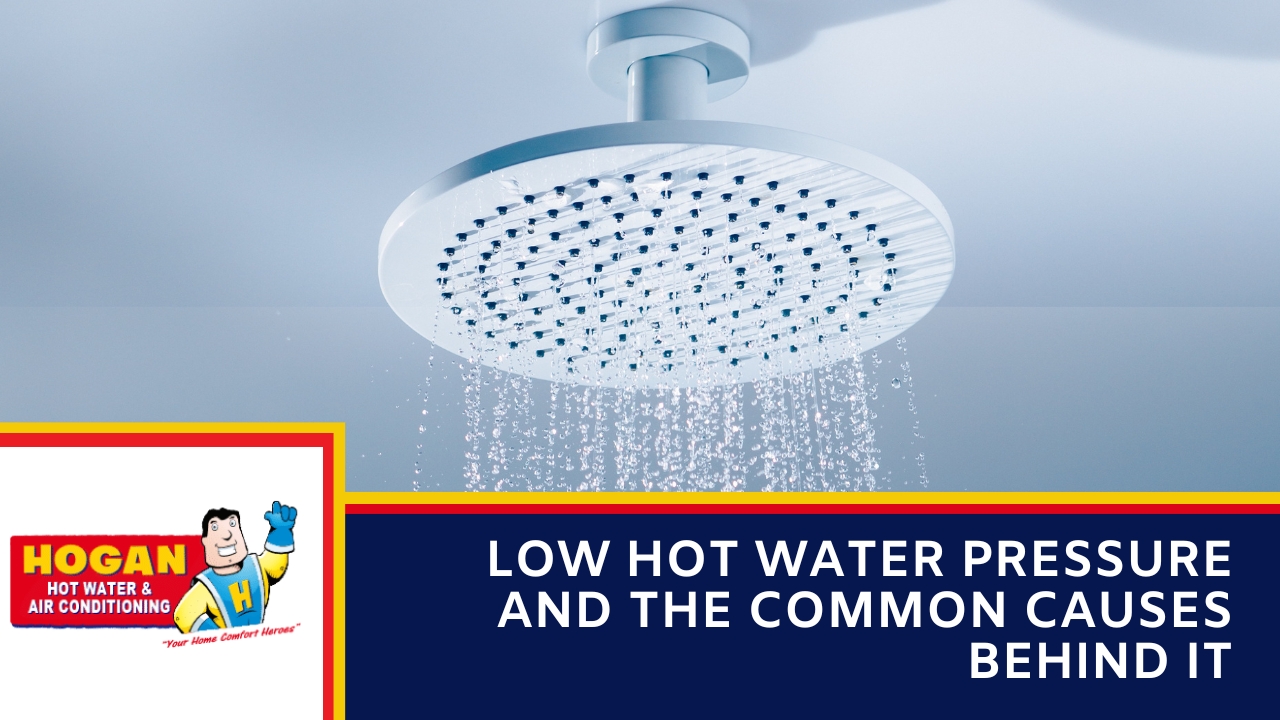
Low hot water pressure is a common issue in Australian homes, affecting showers, sinks, and appliances. Instead of steady flow, water may trickle and disrupt daily routines. The problem is often linked to faults in the hot water system or plumbing, or to a system that does not meet household demand.
Causes include sediment build-up, partially closed valves, corroded pipes, leaks, or a system that is too small. Each of these reduces water flow and lowers pressure. Identifying the cause is necessary to restore function and prevent further damage.
Some issues, such as closed valves, are simple to fix. Others, including corroded pipes or leaks, require a licensed plumber. Knowing the possible causes helps homeowners decide when a quick check is enough and when professional support is needed.
Sediment Build-Up in the Hot Water System
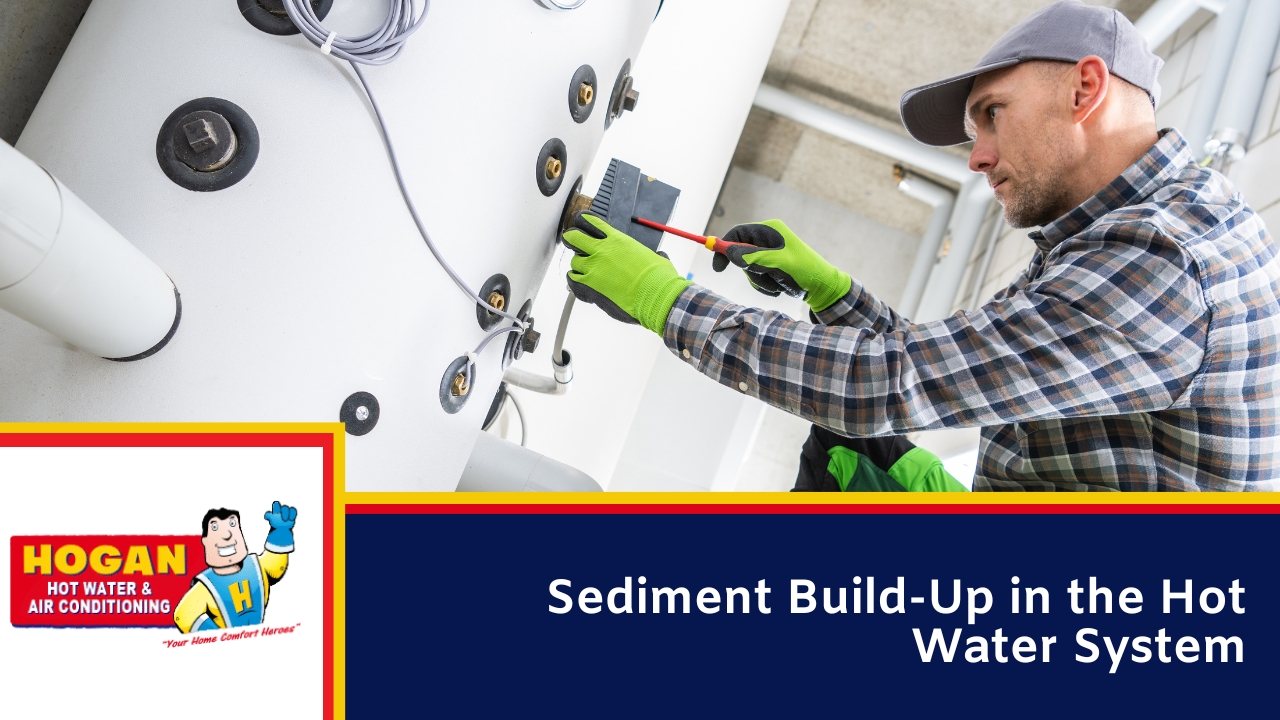
Sediment inside the hot water system is a common cause of low pressure. Minerals such as calcium and magnesium settle in the tank and pipes, reducing capacity and blocking outlets, valves, and connections. As deposits increase, water flow becomes restricted and pressure drops.
This issue is more common in older systems or homes in hard water areas. Sediment reduces pressure and forces the system to work harder, which can shorten its life and increase energy use.
Flushing the tank removes the build-up and restores efficiency. Ongoing servicing prevents deposits from returning quickly and helps keep pressure and performance at stable levels.
Partially Closed or Faulty Valves
Valves control the flow of water through a hot water system. If a valve is not fully open, pressure drops because water cannot pass freely. This often occurs after maintenance when valves are left partly closed, or in older systems where components wear out.
The main shut-off valve and the valve on the hot water unit should be checked first when pressure is low. A quick inspection usually shows if they are in the correct position. In some cases, valves become damaged or faulty, limiting water flow.
If a valve shows signs of wear, replacement is needed. A licensed plumber can confirm the problem and install a new part. Keeping valves open and in good condition is one of the simplest ways to restore consistent hot water pressure.
Corroded or Blocked Pipes
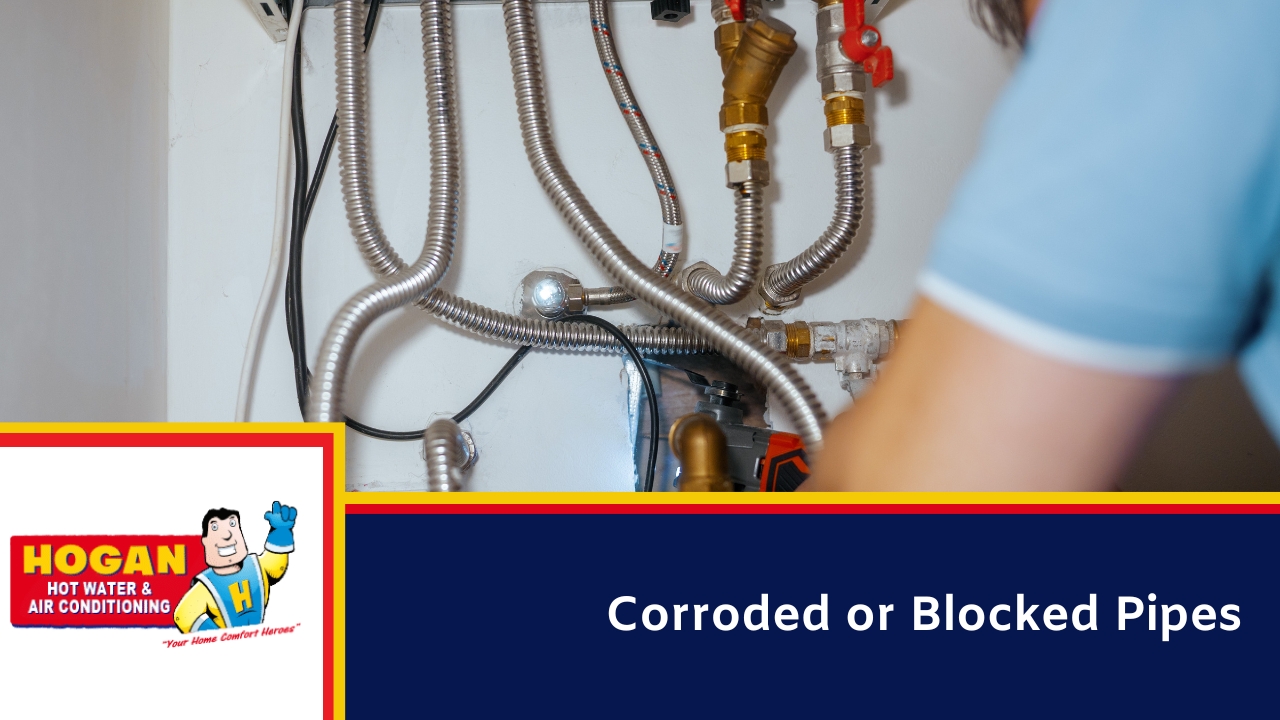
Older homes often experience low hot water pressure due to ageing pipes. Metal pipes corrode over time, and as rust builds up, the internal diameter narrows. This reduces the amount of water that can pass through, leading to weaker pressure at taps and showers. Mineral deposits or debris can also cause blockages that restrict flow further.
The decline is usually gradual, becoming more noticeable as the plumbing ages. Temporary fixes rarely solve the problem. Replacing affected sections of pipe is often the only way to restore consistent water pressure.
Modern options such as copper or plastic piping resist corrosion and provide long-term reliability. Upgrading to these materials improves water flow, reduces the risk of future blockages, and extends the lifespan of the plumbing system.
Hot Water System Size and Demand
Low hot water pressure can occur when the system is too small for household needs. If demand is greater than the unit’s capacity, pressure drops whenever multiple taps, showers, or appliances run at the same time. This is common in larger households or with older systems that no longer match usage levels.
The problem is not a fault but a mismatch between system size and demand. For example, two showers running along with a washing machine can exceed the output of a small unit, causing weak and inconsistent flow.
The solution is upgrading to a system sized to suit the number of occupants and appliances. Modern energy-efficient systems provide steady pressure, reduce running costs, and prevent the unit from being overworked. Choosing the right size ensures reliable performance and avoids interruptions during daily use.
Leaks in the Plumbing System
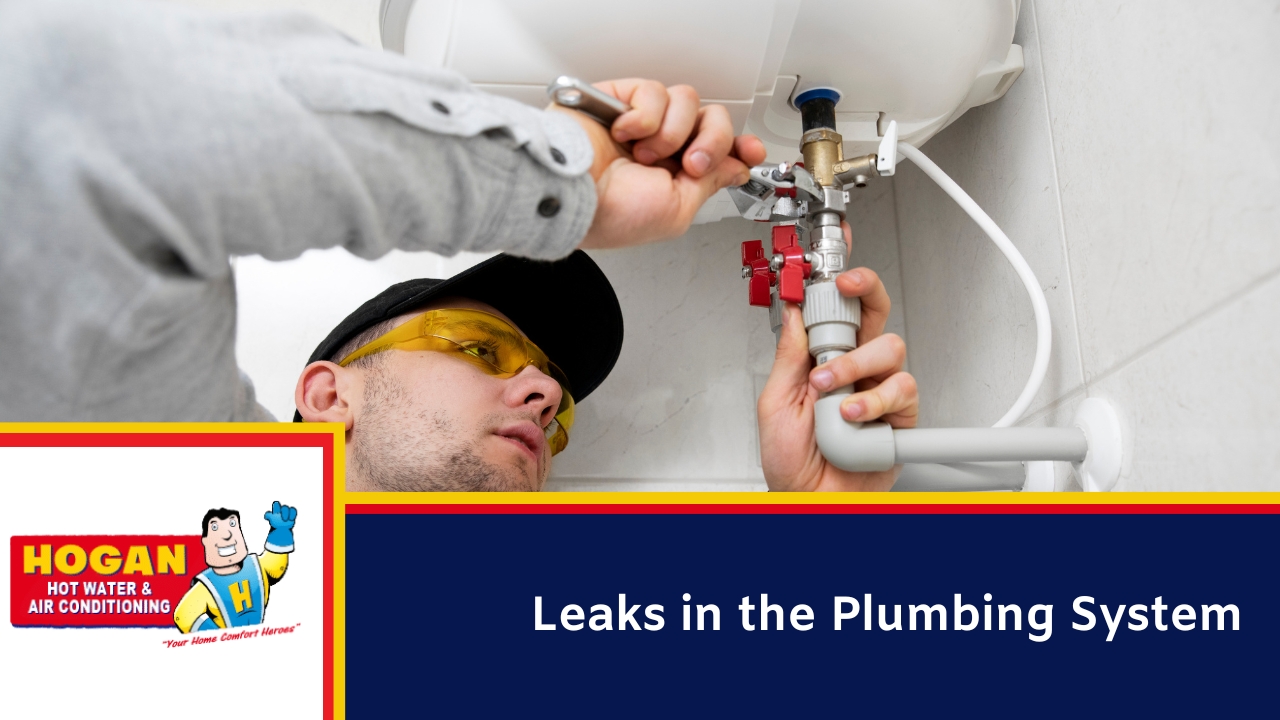
Leaks are another frequent cause of low hot water pressure. Even a small leak allows water to escape before reaching taps or appliances, reducing flow throughout the system. In addition to lowering pressure, leaks waste water and can create long-term damage to walls, floors, or foundations if left untreated.
Signs of a leak often include damp patches on surfaces, sudden increases in water bills, or the sound of running water when fixtures are switched off. These indicators suggest water is escaping somewhere within the system and should be investigated promptly.
Repairing leaks requires locating the source and replacing or sealing damaged sections of pipe. A qualified plumber has the tools to detect hidden leaks and carry out repairs safely. Addressing leaks quickly restores water pressure, prevents costly structural damage, and improves the overall efficiency of the hot water system.
When to Call a Professional
Some causes of low hot water pressure can be checked and resolved at home, such as ensuring valves are open or scheduling a system flush. However, problems like corroded pipes, hidden leaks, or undersized systems require professional assessment. Attempting DIY repairs in these cases can lead to further damage or safety risks.
A licensed plumber or hot water technician can quickly diagnose the cause and recommend an effective solution. Professional services include pressure testing, leak detection, system replacement, and upgrades to modern, energy-efficient units. These measures not only restore water flow but also improve long-term reliability.
Knowing when to seek expert help saves time, reduces costs linked to repeated issues, and ensures the hot water system remains safe for everyday use. Professional input is especially important when pressure problems persist despite basic checks.
Get Help with Low Hot Water Pressure
Low hot water pressure can affect daily routines and may point to problems within the plumbing or hot water system. Hogan Hot Water and Air provides inspections, maintenance, and system replacements to resolve these issues and restore reliable flow.
Explore our hot water services for details on how we can assist. To book an inspection or speak with a technician, contact us.
FAQs
Does low hot water pressure affect both hot and cold water?
If only the hot water is weak, the issue is likely within the hot water system. If both are affected, the problem may be in the main supply or plumbing.
Can water leaks lower hot water pressure?
Yes. Even small leaks reduce pressure before water reaches taps. High water bills or damp spots are common signs to check for.
Why does pressure drop during peak use?
When multiple showers, taps, or appliances run at once, smaller systems cannot keep up with demand, causing weaker hot water flow.
Is low pressure more common in older homes?
Yes. Older properties often have corroded or undersized pipes that restrict water flow, making pressure issues more frequent.
What maintenance helps prevent pressure problems?
Regular system servicing, tank flushing, and pipe inspections reduce sediment build-up and detect issues early before pressure drops.