

If your hot water pressure is low but your cold taps are running normally, the problem is not a whole-house supply issue. It sits somewhere inside the hot water circuit, between the unit and your tap. That is actually useful information because it narrows down where to look.
This guide covers the most common reasons hot water pressure drops while cold stays strong, what you can check yourself, and when the job needs a licensed plumber.
Why the Hot and Cold Split Matters
When both hot and cold pressure are weak, the cause is usually in the mains supply or a shared isolation valve. Your local council supply may be the issue, or the main stop tap on your property may be partially closed.
But when only hot water pressure is low, the restriction is specific to the hot water circuit. The mains supply is fine. The problem lies somewhere after the cold water enters your hot water unit and before it reaches your tap or shower.
Knowing which side of the system is affected saves time and avoids unnecessary call-outs. Work through the checks below before contacting anyone.
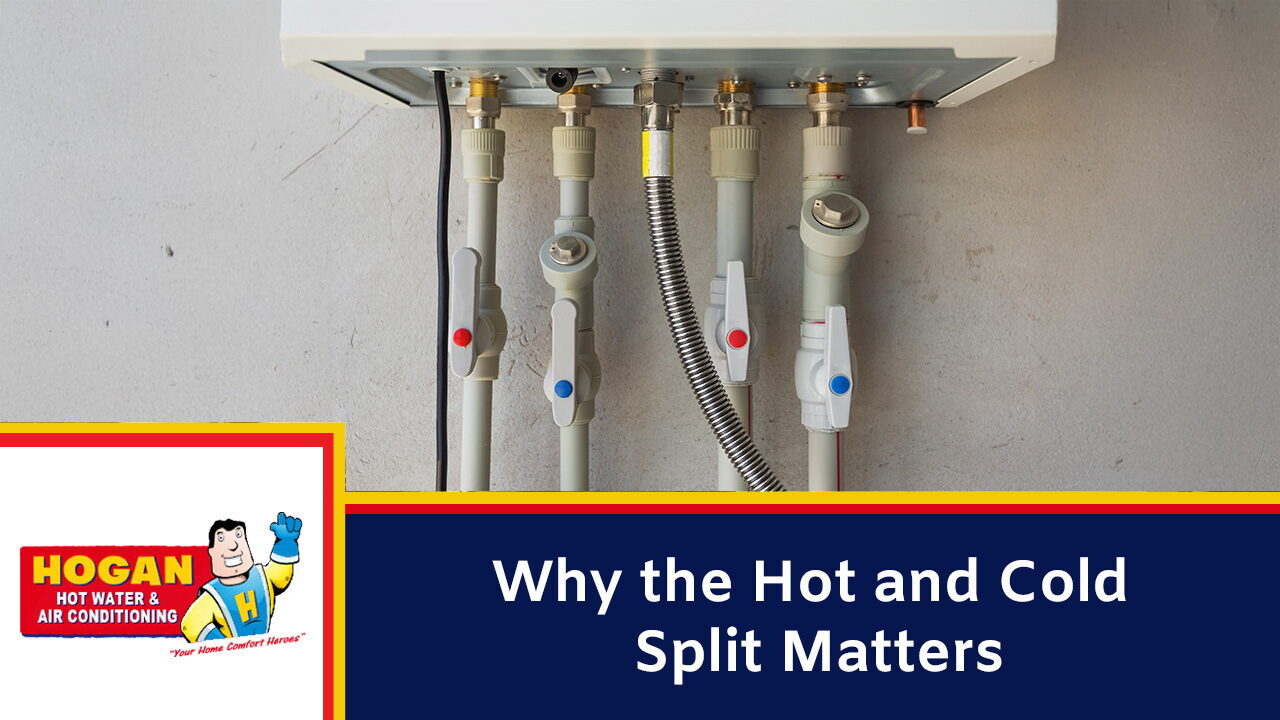
Partially Closed Isolation Valve on the Hot Water Unit
This is the first thing to check because it takes less than a minute.
Every hot water unit has an isolation valve, sometimes called a service valve or stop tap, fitted on the cold water inlet pipe that feeds the unit. It is usually a lever or dial located on the copper pipe going into the bottom or side of the system.
After a service, repair, or installation, this valve is occasionally left partially closed rather than fully open. Because cold water bypasses this valve entirely, cold pressure is unaffected. Hot water pressure takes the full hit.
Turn the valve so it sits fully in line with the pipe, which means fully open. Check your pressure at the tap again before moving on.
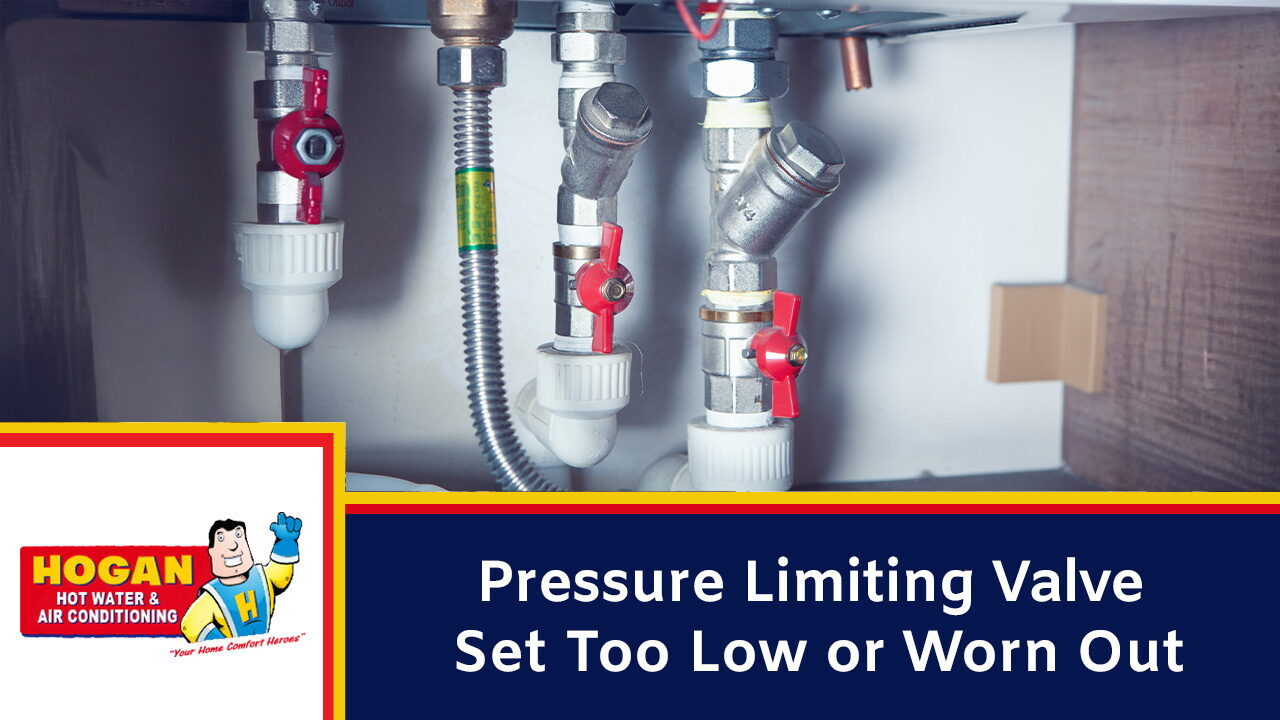
Pressure Limiting Valve Set Too Low or Worn Out
A pressure limiting valve (PLV) is fitted on most Australian homes to protect household plumbing from high mains pressure. In most states it is a legal requirement, and in the Newcastle and Hunter region it is standard on residential properties connected to Hunter Water supply.
The PLV is typically set between 350 and 500 kPa. Over time, the internal components wear and the valve can begin to restrict flow below its intended setting. In some cases it is set too conservatively during installation.
Because hot water pipes tend to be longer runs than cold supply pipes in most home layouts, a marginal reduction from a worn PLV shows up more noticeably on the hot side. Cold taps closer to the mains entry point feel less affected.
A plumber can test your PLV with a pressure gauge and adjust or replace it if needed. This is one of the most common and most overlooked causes of hot-only pressure loss in homes more than ten years old.
Tempering Valve or Mixing Valve Restriction
Australian plumbing regulations require a tempering valve on most hot water systems. Its job is to blend a small amount of cold water into the hot supply before it reaches your taps, delivering water at a safe temperature of around 50 degrees Celsius rather than the 60 to 70 degrees stored in the tank.
The tempering valve sits on the hot water outlet and only hot water passes through it. If the valve begins to fail, stick, or scale up internally, it creates a flow restriction on the hot side only. Cold water never touches this valve, so cold pressure is completely unaffected.
Signs of a failing tempering valve include hot water pressure that has dropped gradually over months, water that arrives cooler than it used to, or temperature that varies between taps in the same house.
Tempering valves are not expensive to replace, but the job must be done by a licensed plumber to comply with Australian plumbing standards.
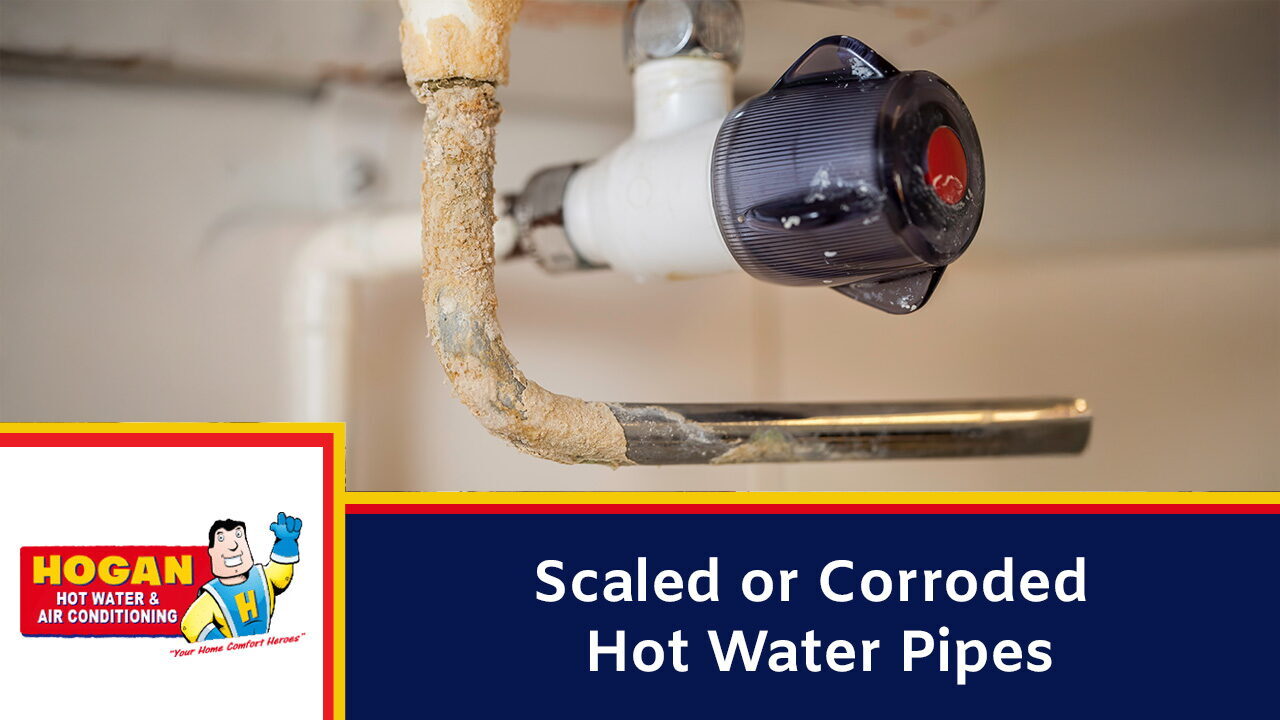
Scaled or Corroded Hot Water Pipes
Hot water accelerates mineral scaling inside copper pipes. Over years, calcium and magnesium deposits build up on the internal walls, gradually narrowing the bore and restricting flow. Cold water pipes scale more slowly because the minerals precipitate more aggressively at higher temperatures.
This is why older homes often develop a noticeable gap between hot and cold pressure even when the hot water unit itself is functioning well. The restriction is in the pipework, not the system.
The problem is more pronounced in areas with harder water. Parts of the Hunter region and Central Coast have water with moderate mineral content, and homes with original copper pipework installed more than 20 years ago are particularly susceptible.
If scaling is advanced, replacing the affected sections with modern copper or CPVC pipe is the most reliable fix. A plumber can assess which sections are causing the most restriction before committing to a full repipe.
Degraded Flexible Hose Connections
The braided flexible hoses that connect your hot water unit to the household plumbing look sturdy on the outside but can deteriorate internally without any visible warning signs.
The internal rubber lining of these hoses can swell, crack, or partially collapse over time, creating a restriction that only affects hot water flow. Because the cold supply hose is a separate fitting, cold pressure is unaffected.
Flexible hoses have a recommended replacement interval of around ten years. If yours are older than that and you cannot identify another cause for the pressure drop, this is worth investigating. A plumber can inspect and replace them quickly, and it is also a worthwhile safety check given that burst flexible hoses are a leading cause of internal water damage in Australian homes.
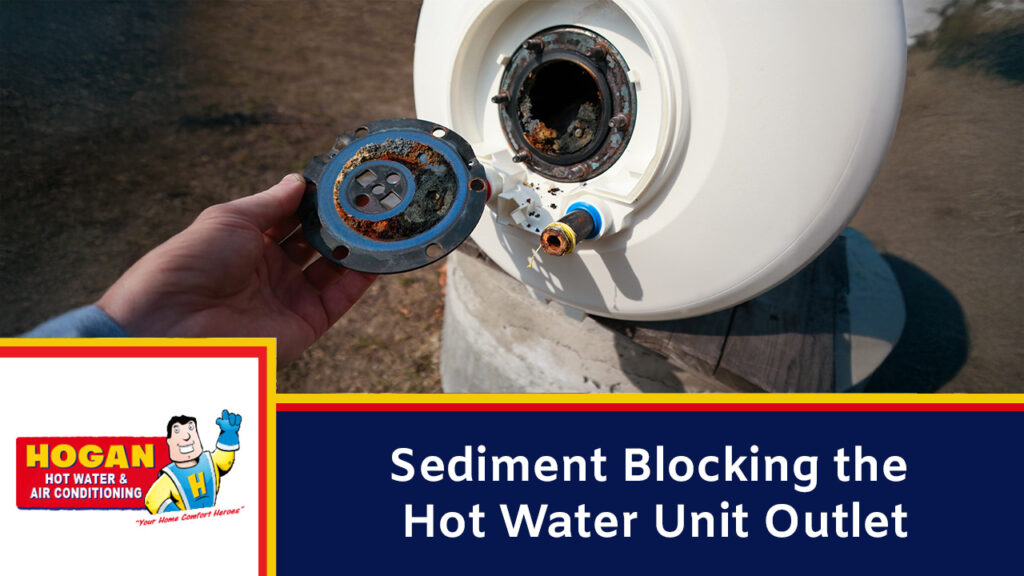
Sediment Blocking the Hot Water Unit Outlet
If the checks above have not identified the cause, the restriction may be inside the hot water unit itself rather than in the downstream plumbing.
Sediment, scale, and mineral deposits accumulate at the bottom of storage tank hot water systems over time. In most cases this reduces heating efficiency rather than pressure. However, if sediment reaches the outlet dip tube or hot water outlet fitting, it can partially block flow and reduce pressure at the tap.
This is more common in systems that have never been flushed or serviced, particularly those in areas with harder water. A tank flush by a licensed plumber removes the build-up and restores outlet flow.
If you are also noticing other warning signs alongside the pressure drop, such as discoloured water, unusual noises from the tank, or water that runs out faster than it used to, the unit itself may be approaching the end of its service life. Our guide on signs your hot water heater is failing covers what to look for in more detail.
Similarly, if your hot water pressure seems fine but the water turns cold partway through a shower, that is a separate issue related to tank capacity or heating performance rather than flow restriction. We cover that in our article on why hot water runs out too quickly.
When to Call a Licensed Plumber
Some of the checks above you can do yourself in a few minutes. Others require tools, pressure testing equipment, and a plumbing licence.
You can check yourself:
- Isolation valve position on the hot water unit
- Whether flexible hoses show visible signs of bulging or corrosion
A licensed plumber is needed for:
- Testing and adjusting or replacing the pressure limiting valve
- Replacing a tempering valve or mixing valve
- Inspecting and replacing scaled or corroded pipework
- Flushing the hot water tank and inspecting the outlet fitting
Attempting PLV adjustments or tempering valve work without a licence is not legal in New South Wales and can void your hot water system warranty.
Low Hot Water Pressure in Newcastle, Maitland, Lake Macquarie and the Central Coast
Hogan Hot Water and Air provides hot water pressure inspections, plumbing repairs, and system servicing across Newcastle, Lake Macquarie, Maitland and the Central Coast. Our licensed technicians can diagnose the cause quickly and carry out the right repair without guesswork.
If your hot water pressure is low and you are not sure where to start, get in touch with our team or explore our full range of hot water services to see how we can help. To book an inspection, contact us directly.
FAQs
Why is my hot water pressure low but cold water pressure is fine?
When only hot water pressure is affected, the restriction is specific to the hot water circuit rather than the mains supply. Common causes include a partially closed isolation valve on the hot water unit, a worn pressure limiting valve, a failing tempering valve, scaled internal pipework, or degraded flexible hose connections.
What is a pressure limiting valve and can it affect only hot water?
A pressure limiting valve (PLV) is a device fitted to most Australian homes that caps incoming mains water pressure to protect household plumbing. As it ages and wears internally, it can begin to under-deliver pressure. Because hot water pipe runs are often longer than cold supply runs, the effect tends to be more noticeable on the hot side even though both circuits pass through the same valve.
Can a tempering valve cause low hot water pressure?
Yes. The tempering valve sits on the hot water outlet of your system and blends cold water into the supply to deliver water at a safe temperature. If it begins to stick or scale up internally, it restricts hot water flow only. Cold water does not pass through the tempering valve, so cold pressure is unaffected. A licensed plumber can test and replace the valve if needed.
How do I check if my isolation valve is causing low hot water pressure?
Locate the isolation valve on the cold water inlet pipe of your hot water unit. It is usually a lever or dial on the copper pipe connected to the bottom or side of the system. If the lever sits at an angle to the pipe rather than running parallel with it, it is partially or fully closed. Turn it so it runs in line with the pipe direction to open it fully, then recheck your hot water pressure.
Should I call a plumber or a hot water technician for low pressure?
For most of the causes covered on this page, a licensed plumber is the right call. Pressure limiting valve testing, tempering valve replacement, pipe inspection, and tank flushing all fall within plumbing work. Hogan Hot Water and Air has licensed plumbers and hot water technicians on the team, so one call covers both.