

The recommended setting is between 24 and 26 degrees Celsius. This range is recognised by the Australian Government’s energy efficiency guidelines as the sweet spot for comfort without excessive running costs.
Every degree you lower the thermostat below 24 degrees increases running costs by approximately 10 percent. A household running their air conditioner at 20 degrees rather than 24 degrees is spending roughly 40 percent more on cooling for minimal additional comfort.
The reason 24 to 26 degrees works well is that it maintains a comfortable temperature difference from the outdoor heat without pushing the system into inefficient territory. For most homes in Newcastle and the Hunter region, this range keeps the indoor temperature steady even during peak afternoon heat.
If your home is not reaching a comfortable temperature at this setting, the issue is usually insulation, draughts, or a system that is undersized for the space rather than the thermostat setting itself.
How to Use Your Air Conditioner Efficiently in Summer
Setting the right temperature is only part of the equation. How and when you run the system has just as much impact on your bills.
- Cool the space before peak heat arrives. Rather than waiting until the house is already hot, switch the air conditioner on in the late morning before temperatures climb. It is much easier and cheaper for the system to maintain a cool space than to bring down a hot one.
- Keep doors and windows closed while the system runs. This sounds obvious but is one of the most common causes of poor air conditioning performance. Cool air escaping through open windows or doors forces the system to work continuously rather than reaching the set temperature and cycling down.
- Use a timer or schedule if your system has one. Programming the air conditioner to start 30 minutes before you arrive home or wake up means you walk into a comfortable space without running the unit all day.
- Close off rooms you are not using. Air conditioning a smaller zone is significantly more efficient than trying to cool an entire house. Close internal doors to concentrate the cool air where it is needed.
- Set the fan speed to auto rather than high. Auto fan speed allows the system to modulate its output based on how far the room is from the target temperature. High fan speeds can actually reduce efficiency by pushing air around faster than the cooling cycle can condition it.
Keep Your Air Conditioner Running at Its Best
An air conditioner that has not been serviced or maintained will work harder and cost more to run, even at the correct temperature setting.
- Clean the filters regularly. Blocked filters restrict airflow and force the system to work harder to move the same amount of air. In summer, filters should be checked monthly and cleaned or replaced as needed. This is one of the few maintenance tasks you can safely do yourself.
- Keep the outdoor unit clear. The condenser unit outside needs airflow to release heat effectively. Trim back any plants or shrubs that have grown close to it, and make sure there is at least half a metre of clear space around all sides.
- Book a service before summer starts. An annual service checks refrigerant levels, cleans the coils, inspects electrical components, and confirms the system is operating as it should. A system running low on refrigerant will struggle to cool effectively and can damage the compressor over time.
If you have not had your system serviced recently, our air conditioning servicing team covers Newcastle, Lake Macquarie, Maitland and the Central Coast.
Reduce How Hard Your Air Conditioner Has to Work
The most cost-effective cooling strategy combines smart air conditioner use with passive measures that reduce the heat load on your home. When your house stays cooler naturally, your air conditioning system runs for shorter periods and at lower intensity.
- Block the sun during the hottest part of the day. Close curtains and blinds on north and west-facing windows between about 10am and 4pm. Direct sunlight through glass is one of the fastest ways for a home to heat up. Keeping it out before the room heats is far more effective than trying to cool down after the heat has already built up.
- Use ceiling fans alongside the air conditioner. Fans do not cool air but they create a wind chill effect that makes a room feel several degrees cooler. Running a ceiling fan on a low setting alongside the air conditioner lets you raise the thermostat setting by a couple of degrees with no noticeable drop in comfort, which reduces running costs.
- Ventilate early morning and late evening. Open windows during the cooler parts of the day, typically before 8am and after 9pm during summer in Newcastle, to flush out heat that has built up overnight or during the day. Close up before the temperature starts rising again.
- Switch to LED lighting. Incandescent and halogen globes produce significant heat. Replacing them with LED alternatives reduces both electricity consumption and the heat load inside the house, meaning the air conditioner has less work to do.
- Avoid using the oven and stovetop during peak heat. Cooking indoors during the hottest part of the day adds significant heat to the house. Moving cooking outdoors or using smaller appliances like a microwave or air fryer keeps kitchen temperatures more manageable.
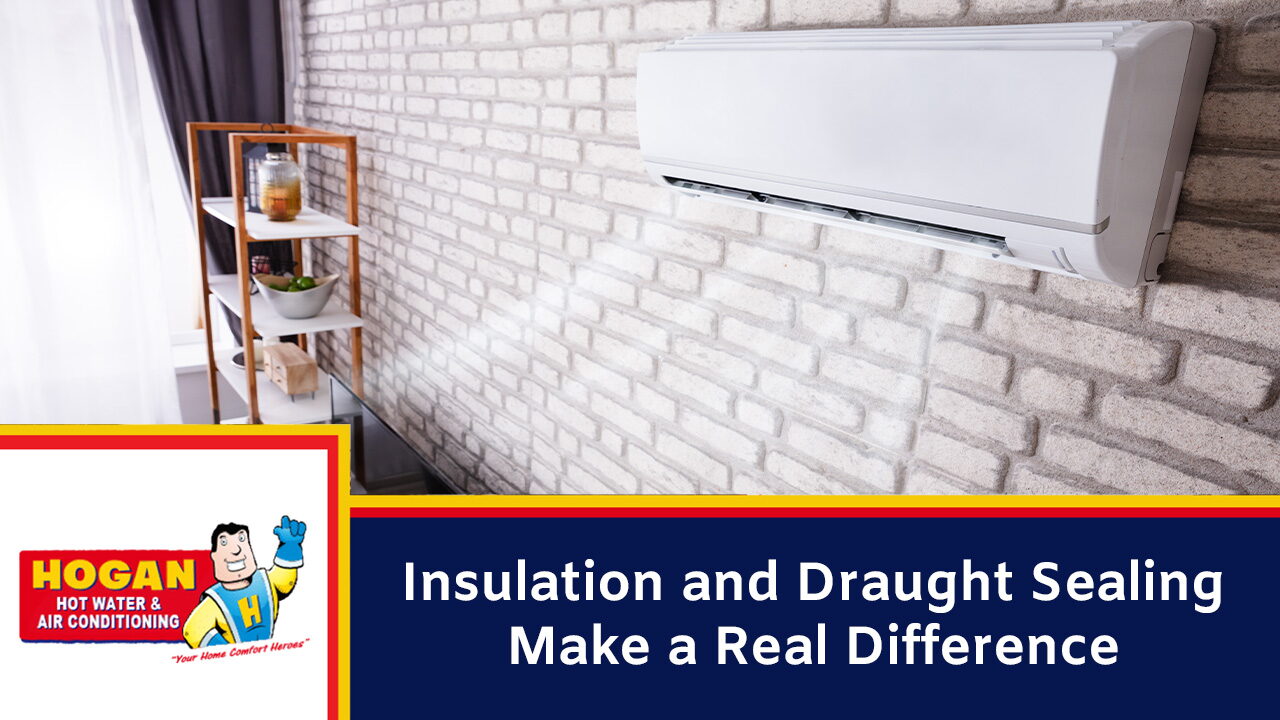
Insulation and Draught Sealing Make a Real Difference
Air conditioning can only do so much if the house is poorly sealed or under-insulated. Cool air escaping through gaps and warm air entering through poor insulation means the system runs almost continuously without reaching the set temperature.
Check for draughts around door frames, window seals, and skirting boards. Weather strips and door seals are inexpensive and can make a noticeable difference to how well your air conditioner holds a consistent temperature.
Ceiling insulation is particularly important in Australian summers. Heat builds in the roof cavity and radiates down into living spaces throughout the day. A well-insulated ceiling significantly reduces this effect and helps the air conditioner maintain the target temperature with shorter run cycles.
When to Consider Upgrading Your Air Conditioning System
If your air conditioner is struggling to reach 24 to 26 degrees on very hot days, running almost continuously, or producing high electricity bills despite correct settings, it may be undersized for your space or nearing the end of its service life.
Modern reverse cycle split systems are significantly more efficient than systems from ten years ago. Upgrading to a correctly sized unit with a high energy star rating can reduce cooling costs considerably while maintaining better temperature control.
If you are considering an upgrade or are not sure whether your current system is the right size for your home, have a look at our air conditioning new installations page or our split systems options for Newcastle and surrounding areas.
Air Conditioning Services Across Newcastle, Maitland and the Central Coast
Hogan Hot Water and Air Conditioning services, repairs, and installs split system and ducted air conditioning systems across Newcastle, Lake Macquarie, Maitland and the Central Coast. Our licensed technicians can service your existing system before summer, advise on the right temperature settings for your home, and recommend upgrades if your current unit is not keeping up.
To book a service or get advice on your air conditioning system, contact us or call 0488 029 618.
FAQs on Air Con Servicing in Newcastle
What is the best temperature to set your air conditioner in summer?
The recommended setting is 24 to 26 degrees Celsius. This range balances comfort with running costs. Each degree below 24 degrees adds approximately 10 percent to your cooling costs, so keeping the thermostat at 24 or 25 degrees is usually the most efficient approach for most Australian homes.
Does running a ceiling fan with the air conditioner save money?
Yes. A ceiling fan creates a wind chill effect that makes the room feel several degrees cooler without actually changing the air temperature. Running a fan alongside the air conditioner allows you to raise the thermostat setting by one or two degrees with no noticeable loss of comfort, which reduces how often the system needs to cycle on.
How often should I clean my air conditioner filter in summer?
Check the filter monthly during heavy summer use. A blocked filter restricts airflow, forces the system to work harder, and reduces cooling efficiency. Most split system filters can be removed, rinsed under water, dried, and replaced without needing a technician.
Why is my air conditioner not cooling the house properly?
The most common causes are a dirty or blocked filter, a refrigerant leak, an outdoor unit that is obstructed or in direct sun, or a system that is undersized for the space. If basic checks like cleaning the filter and clearing the outdoor unit do not resolve the issue, a service call is the next step to check refrigerant and system performance.
When is the best time to service an air conditioner before summer in Newcastle?
The best time is spring, typically September or October, before the demand for servicing increases as temperatures rise. Booking early means you can identify and fix any issues before they become a problem during a heatwave when technicians are busiest.