

Many households only think about their hot water system once it stops working. The problem is that waiting for complete failure can lead to cold showers, unexpected expenses, and even water damage inside the home.
Old or faulty systems often show warning signs well before they break down. Ignoring these signs not only reduces efficiency but also increases the risk of costly repairs or leaks that may damage flooring, walls, and plumbing.
The good news is that there are clear indicators to help you decide when to replace a hot water system. By identifying these early, you can plan a timely upgrade, improve efficiency, and avoid sudden disruptions to your daily routine.
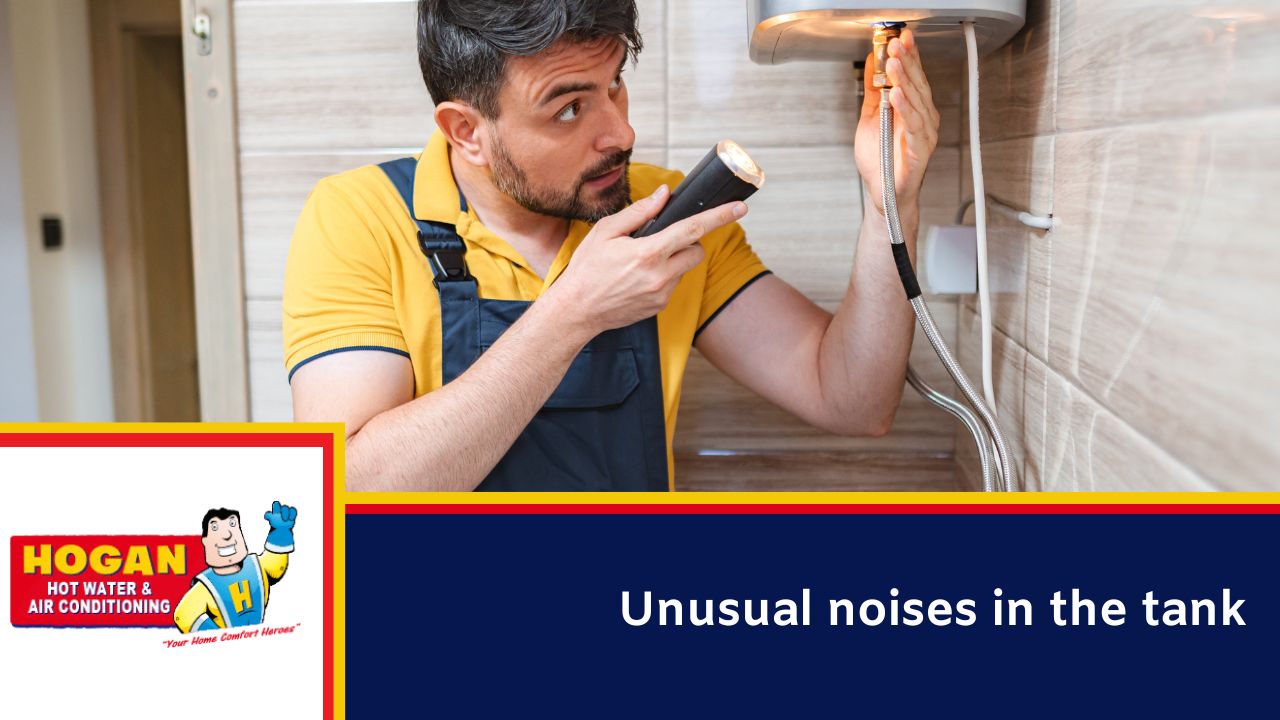
1. Unusual noises in the tank
Hot water systems should run quietly, so noises like cracking, popping, or rumbling are often early signs of trouble. These sounds usually come from sediment build-up at the bottom of the tank. When water is heated, minerals separate and settle, forming a hard layer that traps heat. This forces the system to work harder, increasing energy use and wearing out the heating element faster.
If left untreated, the sediment can cause overheating, corrosion, and eventual tank failure. A hissing or sizzling noise may also indicate a faulty valve or pressure issue. In some cases, flushing the tank can help remove sediment, but if the problem returns or the system is already old, it may be a signal that replacement is the safer option.
Recognising noise patterns is important because systems that rumble or bang frequently are often nearing the end of their lifespan. Acting before a leak develops can prevent water damage and save on emergency costs.
2. Strange taste or smell in hot water
Tap water should be clean and odourless, so unusual changes in taste or smell are strong indicators of internal tank issues. A metallic taste or sulphur-like smell often points to rust or bacterial growth inside the hot water system. Over time, the tank lining and sacrificial anode rod wear down, allowing corrosion to spread and affect water quality.
If corrosion continues unchecked, the tank structure weakens, increasing the chance of leaks. In some cases, flushing the tank may temporarily reduce the problem, but if discoloured or foul-smelling water keeps returning, replacement is usually the most effective solution.
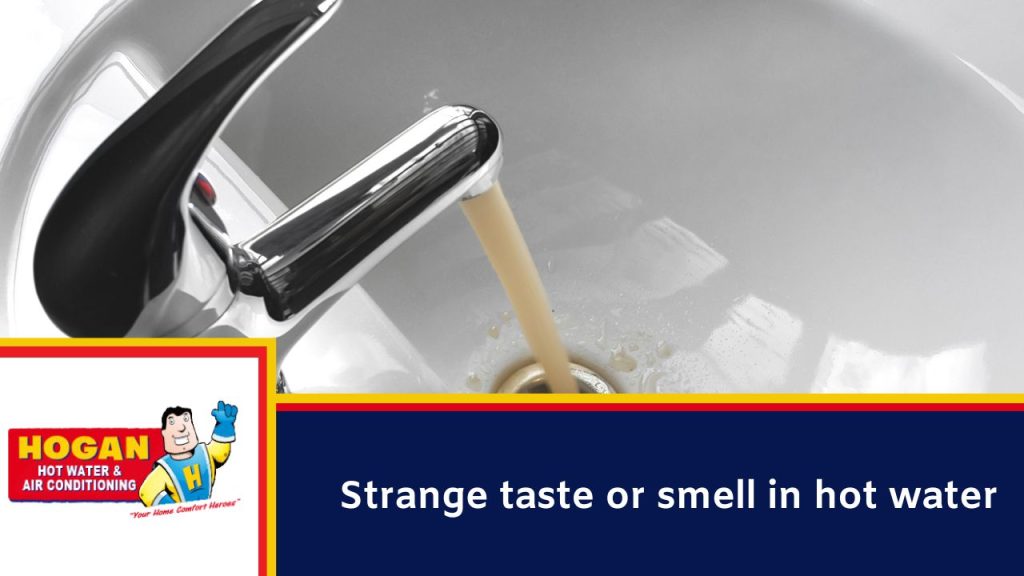
This issue is not only about taste. Prolonged exposure to rust particles or bacteria can affect household plumbing and potentially pose health concerns. If you notice consistent changes in water quality, it’s a sign the system is deteriorating and may soon reach the point where replacement is necessary.
3. Water not heating properly
When a hot water system no longer heats effectively, it signals internal components may be failing. A common cause is a worn heating element or thermostat. If the thermostat is adjusted but the water remains lukewarm or cold, the element may no longer function as intended.
In electric systems, elements degrade over years of use, while gas systems can suffer from pilot light issues, burner faults, or sediment build-up reducing efficiency. Inconsistent water temperature is another red flag, especially if it fluctuates between hot and cold during use.
While minor repairs are sometimes possible, repeated heating failures usually indicate the system is nearing the end of its service life. Given that most systems last 8 to 12 years, a unit struggling to maintain hot water supply within that timeframe is often better replaced than repaired. Planning ahead avoids sudden breakdowns that leave households without hot water.
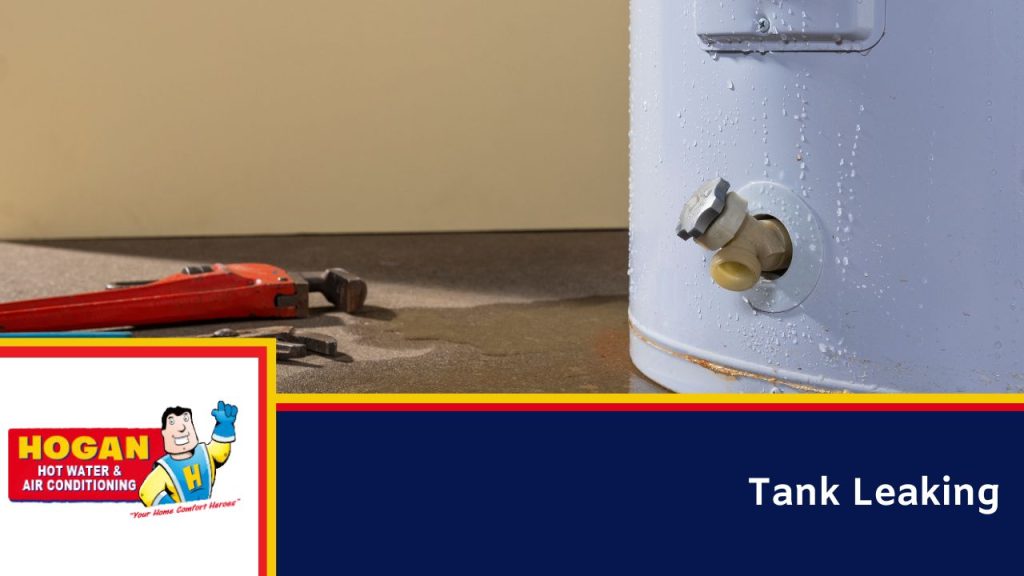
4. Tank leaking
Leaks are one of the clearest signs that a hot water system is failing. Even small amounts of water around the base of the tank can signal cracks, corroded seams, or weakened fittings. Left unattended, these leaks can spread, leading to structural damage in floors, walls, and cabinetry. Moisture also increases the risk of mould and mildew, which can harm indoor air quality.
Sometimes a leak comes from loose inlet or outlet connections, which may be fixed by tightening the fittings. However, if water is pooling directly under the tank or visible cracks appear, repairs are unlikely to solve the problem. In this case, replacement is often the only long-term solution.
It’s important not to delay action once a leak is detected. A burst tank can release hundreds of litres of water in a short time, causing extensive property damage. Identifying leaks early and arranging for a system upgrade reduces both safety risks and repair costs.
5. Rust and corrosion
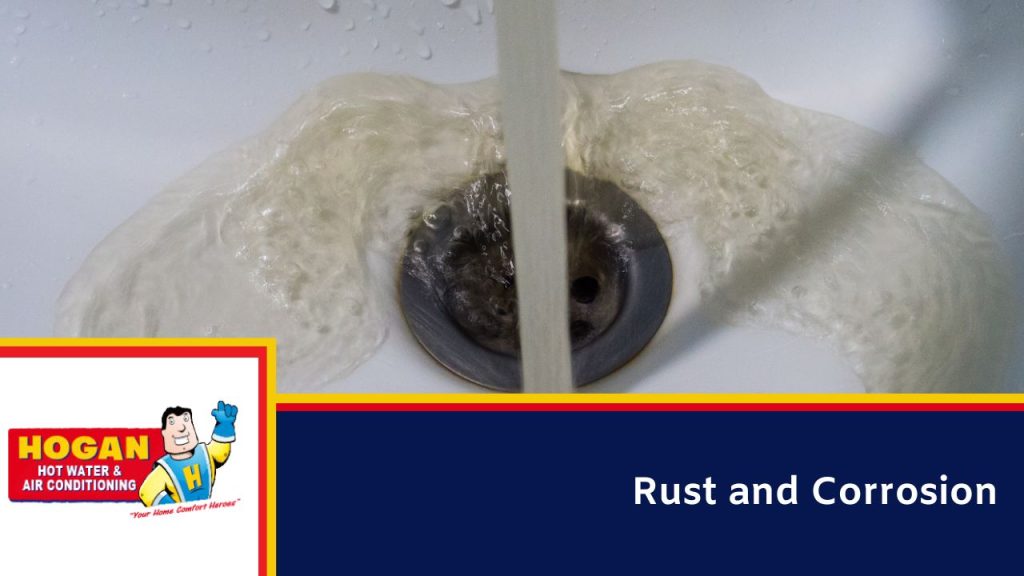
Rust and corrosion are strong indicators that a hot water system is reaching the end of its lifespan. Tanks are fitted with a sacrificial anode rod to slow corrosion, but once this rod wears out, rust begins forming inside the unit. Discoloured water, often reddish or brown, is one of the first visible signs.
Corrosion weakens the tank walls and fittings, creating a higher risk of leaks or sudden failure. In some cases, sediment build-up can also cause discoloured water, but if flushing the tank does not resolve the issue, internal rust is usually the cause. Rust can also spread through connected pipes, potentially damaging household plumbing and appliances such as washing machines and dishwashers.
Because corrosion compromises structural integrity, repairs are rarely effective once rust has advanced. Replacing the system is the only reliable solution. Systems older than 10 years are particularly vulnerable, making regular inspection of the anode rod and water quality important in deciding when to replace a hot water system.
6. Valve not draining
The drain valve at the base of a hot water system is designed to release sediment and allow safe maintenance. Over time, minerals in the water supply settle at the bottom of the tank. If this sediment is not flushed out regularly, it can harden and block the valve. When the valve no longer opens or water will not flow out during servicing, it is often a sign of advanced internal build-up.
A blocked valve prevents the system from being properly maintained, which speeds up wear and reduces efficiency. Sediment also acts as insulation inside the tank, forcing the heater to work harder and increasing energy use. While a plumber may attempt to clear the valve, persistent blockage usually indicates that the tank itself is nearing the end of its service life.
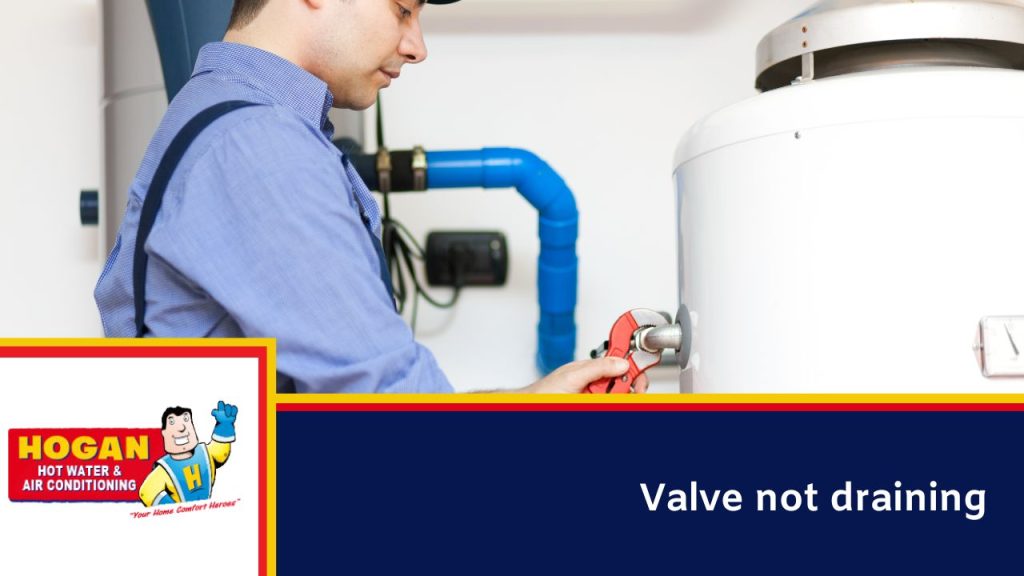
Since the valve is a key safety feature, failure to drain correctly should not be ignored. In most cases, replacing the unit is the most reliable way to restore safe and efficient operation.
7. Reduced efficiency
A noticeable rise in energy bills without any increase in household usage often points to an inefficient hot water system. As systems age, components wear down and sediment build-up reduces heat transfer. This forces the heater to use more energy to maintain the same water temperature.
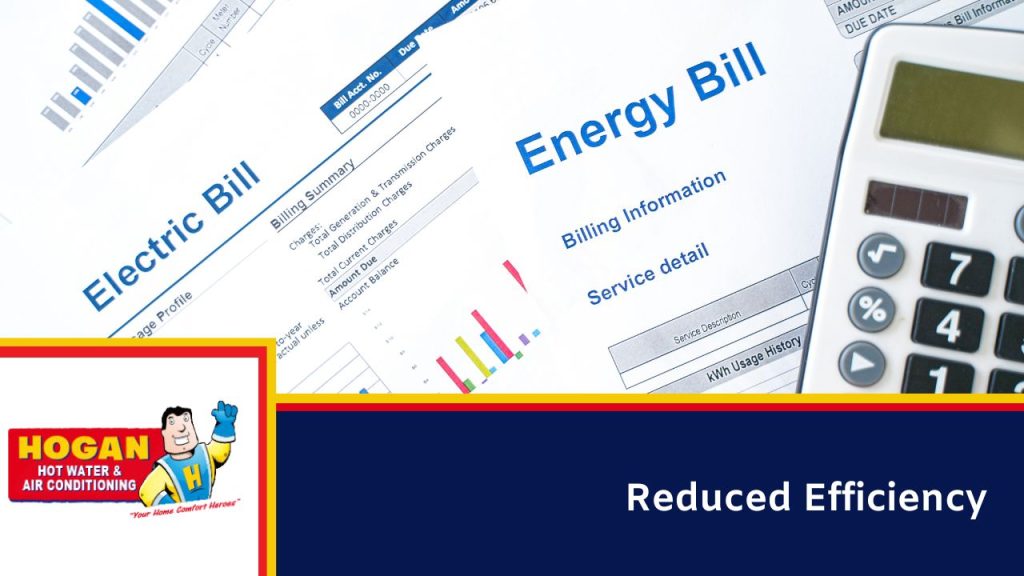
An inefficient system not only costs more to run but also puts extra strain on parts like the heating element or burner. Over time, this accelerates breakdowns and increases the risk of leaks or heating failures. For electric systems, higher power draw is common, while gas systems may burn fuel less effectively due to burner or flue issues.
Regular maintenance, such as flushing the tank and checking insulation, can help maintain efficiency. However, once a unit becomes noticeably less economical, it is often more practical to consider replacement. Choosing a modern, energy-rated system can reduce running costs significantly, especially for households with steady hot water demand.
8. Increased demand
Hot water systems are designed for a certain capacity, usually based on the number of occupants in a home. If your household has grown since the system was first installed, the unit may no longer meet daily needs. Running out of hot water during showers or noticing longer reheating times are common signs that the system is undersized.
An undersized unit is also placed under constant strain, which shortens its lifespan. For example, a tank sized for two people will struggle to keep up if the household expands to four. The system will cycle more frequently, using more energy and wearing out faster.

Upgrading to a larger unit or a continuous flow system is often the best solution when demand has increased. Newer systems are more efficient and better suited to households with higher consumption. Replacing a system before it completely fails ensures consistent supply and reduces the likelihood of unexpected breakdowns.
9. Frequent repairs
Hot water systems are designed for a certain capacity, usually based on the number of occupants in a home. If your household has grown since the system was first installed, the unit may no longer meet daily needs. Running out of hot water during showers or noticing longer reheating times are common signs that the system is undersized.
An undersized unit is also placed under constant strain, which shortens its lifespan. For example, a tank sized for two people will struggle to keep up if the household expands to four. The system will cycle more frequently, using more energy and wearing out faster.
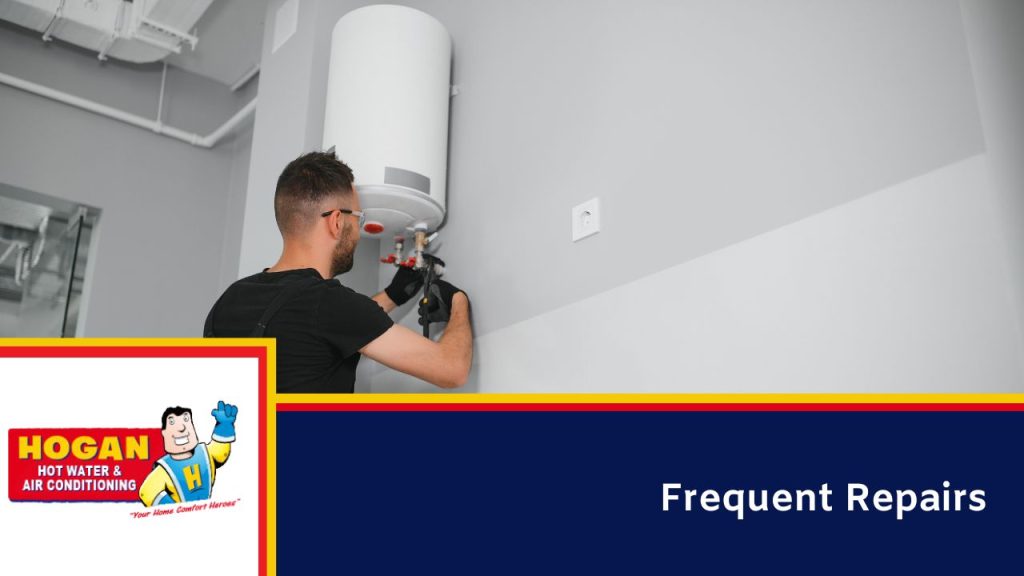
Frequent repairs also create inconvenience, leaving households without hot water for extended periods. Instead of patching the same problems, replacing the system provides a more dependable and cost-effective solution. Knowing when to replace a hot water system rather than continuing with repairs can save both time and money in the long run.
10. System age
The average lifespan of a hot water system is around 8 to 12 years, depending on the type, maintenance, and water quality in the area. Gas systems generally last closer to 8 years, while electric storage systems may reach 10 to 12 years if maintained properly. Tankless or continuous flow models can last longer but still require regular servicing.
As systems age, efficiency declines and the risk of leaks, corrosion, or heating failure increases. Even if an older system is still running, it may no longer perform reliably or economically. Hard water, which contains high mineral content, can shorten lifespan further by causing more rapid sediment build-up and corrosion.
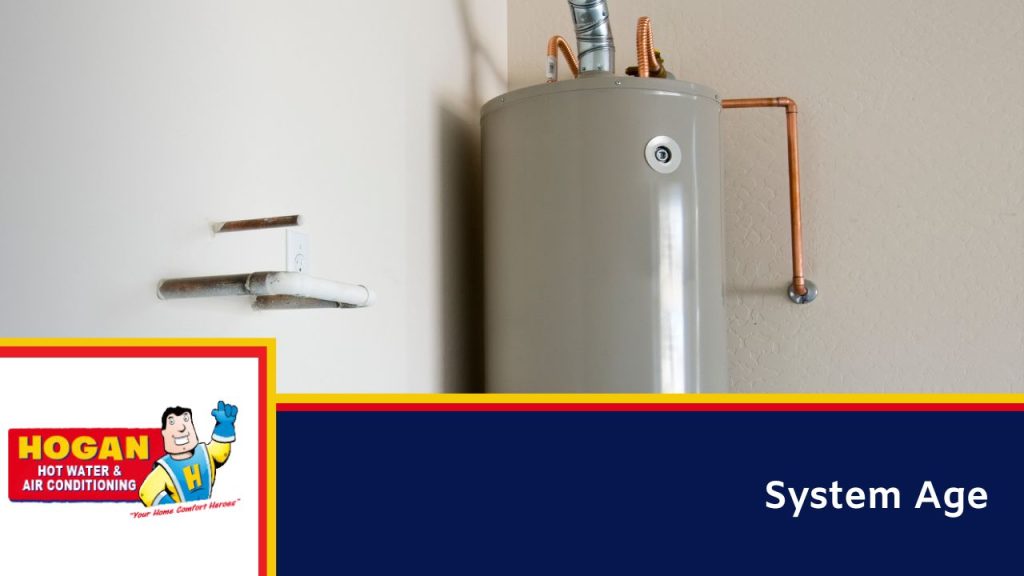
If your system is approaching or has passed the 10-year mark, it is worth planning for replacement rather than waiting for a sudden breakdown. Proactive replacement allows time to select a suitable new system and ensures your household avoids unexpected loss of hot water.
Frequently Asked Questions
How long should a hot water system last?
Most systems last between 8 and 12 years, depending on type and maintenance. Gas models tend to have shorter lifespans than electric storage systems.
What are the signs a hot water system needs replacing?
Common signs include leaks, rusty or discoloured water, unusual noises, reduced heating performance, frequent repairs, or higher energy bills.
Can I repair my system instead of replacing it?
Minor issues such as a faulty thermostat or valve may be repaired, but repeated breakdowns or signs of corrosion usually mean replacement is more cost-effective.
Does water quality affect system lifespan?
Yes. Hard water with high mineral content causes more sediment build-up and corrosion, which shortens the service life of tanks and elements.
When is the best time to replace a hot water system?
Replacement should be planned before a complete breakdown. If the system is over 10 years old or showing clear signs of failure, arranging a replacement is recommended.
Call a hot water specialist today
At Hogan Hot Water & Air Conditioning, we help households decide when to replace a hot water system and provide professional installation across Newcastle and the Hunter. Our team supplies and installs hot water systems powered by gas, electric, and solar, making it easier to choose a unit that suits daily demand and long-term use.
If your current system is showing signs of failure such as leaks, rust, or reduced efficiency, don’t wait until it stops completely. We can assess your unit and recommend the best replacement options for your home.For enquiries or bookings, contact us today to arrange a consultation and maintain a consistent hot water supply.